I posted two videos in March:
Using electroluminescent film as a lightbox for tracing: https://youtu.be/ygrJ_BAm_Kg
Aging biology at 4 levels: https://youtu.be/9_JTit5J9zo
The second one was a doozy, here’s the edited-for-text version.


I posted two videos in March:
Using electroluminescent film as a lightbox for tracing: https://youtu.be/ygrJ_BAm_Kg
Aging biology at 4 levels: https://youtu.be/9_JTit5J9zo
The second one was a doozy, here’s the edited-for-text version.
This post is also a video! Click here to watch.
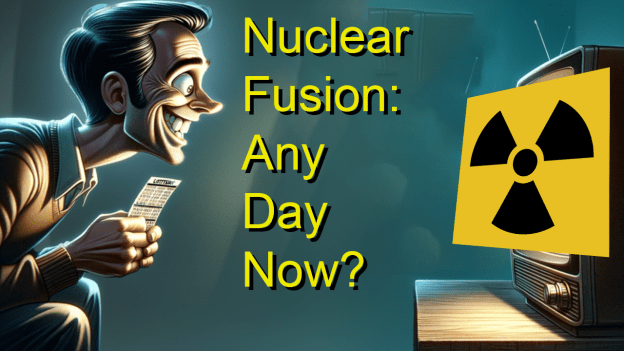
I know you’ve seen lots of people say “fusion is limitless energy forever and it’s just around the corner. A brighter future will soon dawn for everyone.” I think that hype is maybe not ideal. I do this thing where I read the news like I’m watching lottery drawing – maybe today will be THE DAY and all the problems are SOLVED. I think that’s setting myself up for disappointment. Instead, I took a look at some technical problems and how far along researchers are to solving them.
Continue reading
Here is the science I was most excited about in 2023. It’s still January! I got it done just in time! This post is also a video. If you want this post in video format, you can click here.
I reviewed the lists of top science from Science magazine, Nature, the Guardian, as well as my notes over the year. Here are my selections. Links for all sources – lists and original articles – are at the bottom.

Why do we need Systems Biology to help science slow or stop aging? That would be the most profound medical breakthrough since antibiotics. I think systems biology is the key and I spent the last month learning about how it relates to aging research, and I’ve tried to summarize my thoughts here and in a YouTube video (which you can check out at this link). So: what even is Systems biology?
Imagine we have a little miniature world, like a terrarium.

Aging is complex, with lots of interacting parts. A new field called “systems biology” can give us a more accurate picture of how aging works and maybe we can get closer to a cure.
We can think of a cell as a tiny submarine with thousands of little crewmen (proteins) all working together to make it work. That’s the weird ‘comic’ at the top. We have known they were in there, but we couldn’t really see them working together like this, so it was hard to make sense of it. We knew which one was the captain, and which one operated the engines, and which one operated the sensors. But how, exactly, do they all communicate? What we need is something like the “org chart” for the whole crew.
A version of this post is also available on YouTube (click here)
Continue reading Dr. Peter B Allen - Lab Blog
You must be logged in to post a comment.